
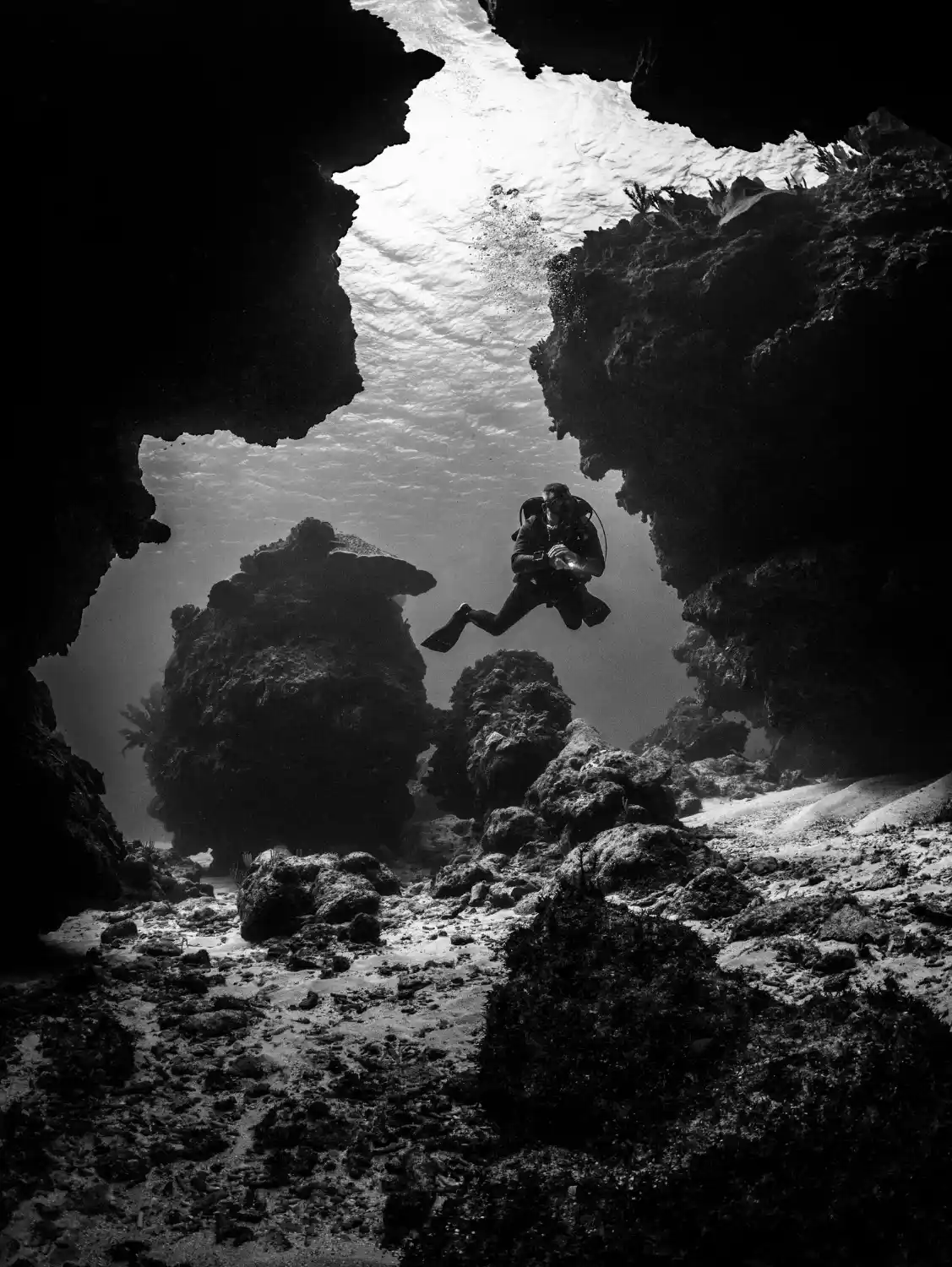
Cliff diving is the purest form of high diving, requiring nothing but a swimsuit and gravity. You leap from towering rock faces into the water below without any mechanical assistance. It combines the technical precision of gymnastics with the unpredictability of nature.
Students learn to calculate entry angles and water depth quickly before every jump. You manage fear and adrenaline to execute a safe descent. The rush is intense, but the preparation is calculated and serious.
Fundamentals of the Jump
Safe jumps require more than just bravery or a lack of fear. You must understand the mechanics of flight and the physics of impact.
The Takeoff
A solid takeoff pushes you away from the rock face immediately. You need forward momentum to clear any protruding ledges or roots below. A weak jump can be dangerous if the cliff is not perfectly vertical.
Body Position
Your body must remain tight and rigid during the fall to maintain control. Flailing arms or legs create air resistance and can lead to rotation. You keep your core engaged to stay vertical.
The Entry
Breaking the water surface requires a streamlined posture to reduce impact. You point your toes or clasp your hands to minimize the splash. A clean entry protects your body from bruising and strain.
Depth Check
You always check the water depth physically before climbing up. Tides change and submerged rocks can appear where it was once safe. Visual inspection from above is never enough to guarantee safety.
Impact Forces and Physics
Impact forces increase dramatically with every meter of height you add. Hitting the water from 20 meters feels like hitting concrete if your form is wrong. You accelerate rapidly and have only seconds to adjust your posture.
We teach divers to start low and work their way up incrementally. You master your aerial awareness from three meters before attempting ten. This progression builds the necessary muscle memory and confidence.
Water entry speed can exceed 85 kilometers per hour from competition heights. Your muscles must tense immediately before impact to protect your spine and joints. Relaxing too early results in painful injuries or concussions.
Spotters in the water are essential for high jumps or new locations. The impact can knock the wind out of you or cause disorientation. A safety swimmer ensures you get back to the surface immediately.
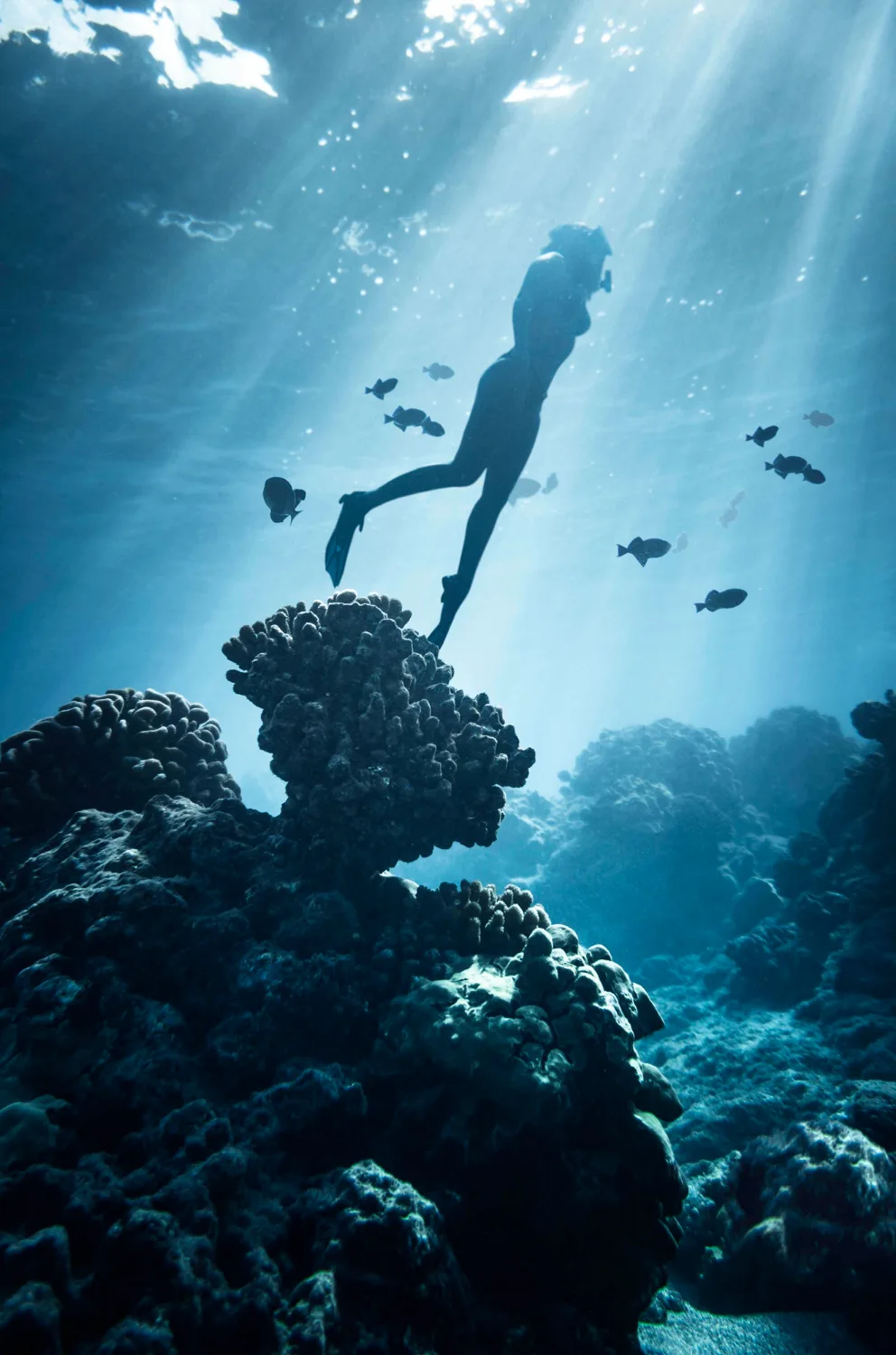
Natural Environments
Natural locations offer challenges that swimming pools do not. You deal with wind gusts, slippery rocks, and changing lighting conditions. Each site requires a unique assessment and respect for the environment.
Join a community that pushes boundaries responsibly and supports each other. You will learn to read the water and trust your training completely. DiveTech helps you find the balance between fear and freedom. In this service https://writepaper.com/do-my-homework strong focus on proper paraphrasing and source integration — no awkward quoting or dropped citations. Professors notice (and appreciate) the clean academic style.