
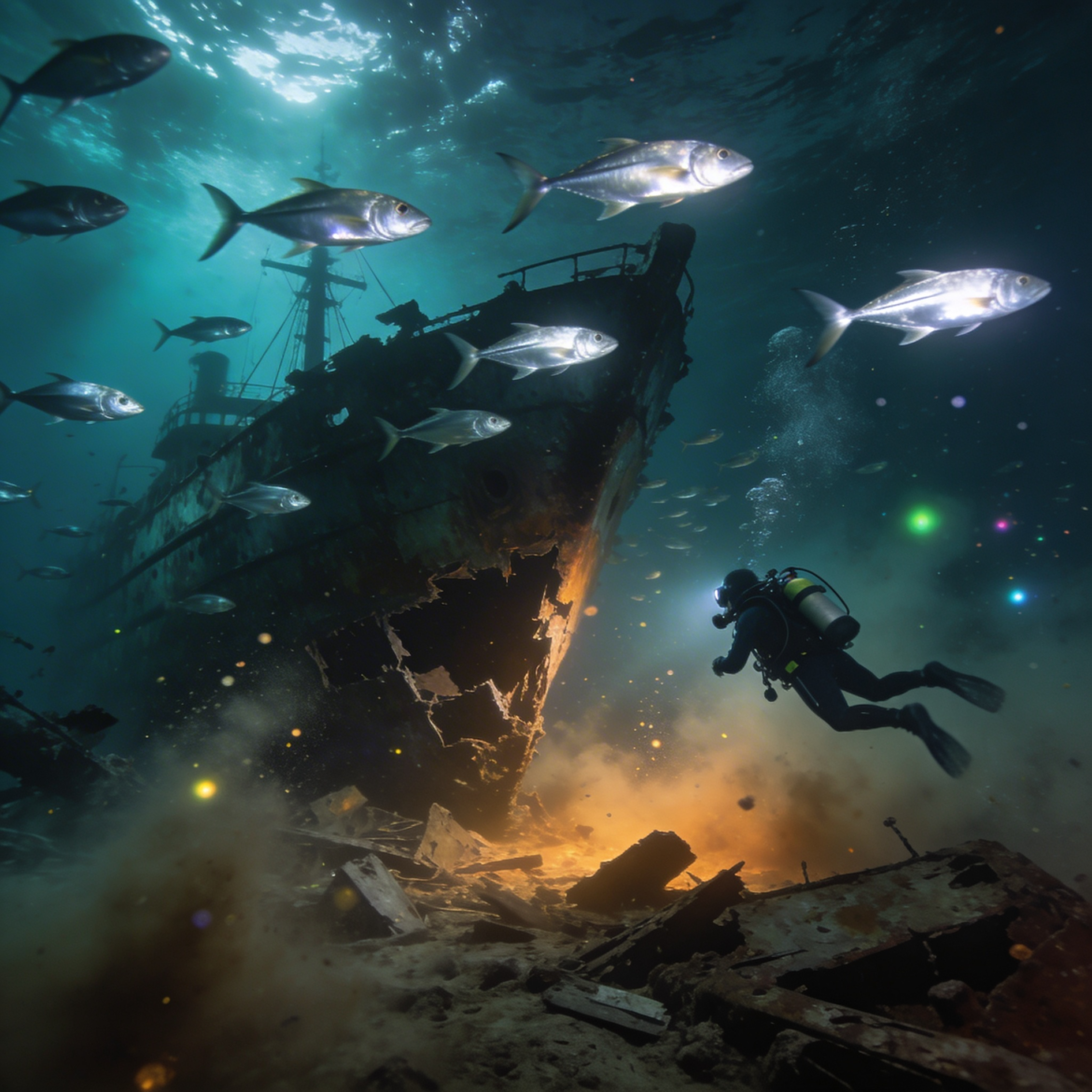
New divers often feel overwhelmed by the sheer amount of equipment required to visit the underwater world. You walk into a dive shop and see walls covered in neoprene, rubber, and metal. The question naturally arises: what is the best gear for scuba diving? The answer depends on where you dive, your budget, and your future goals.
We created this guide to cut through the marketing noise. You do not need the most expensive equipment to be a safe and competent diver. You need gear that fits perfectly and performs reliably under pressure. This article breaks down every essential piece of kit you will encounter during your training and beyond.
The Philosophy of Life Support
Scuba gear is not just sports equipment. It is life support. Your regulator delivers air when you are 30 meters down. Your buoyancy compensator keeps you off the fragile reef. Your wetsuit prevents hypothermia.
Students often ask us where to save money. We always say: never compromise on fit or life-critical components. A cheap mask that leaks will ruin your dive just as effectively as a broken regulator. Comfort underwater allows you to focus on your surroundings rather than struggling with your equipment.
The Mask: Your Window to the Ocean
The mask is the most personal piece of equipment you will own. It creates an air space in front of your eyes so you can focus underwater. Without it, everything is a blur.
The “best” mask is simply the one that seals to your face without leaking. Price tags do not determine fit. You must try them on physically. Place the mask on your face without the strap and inhale gently through your nose. It should stick to your skin and stay there.
We recommend low-volume masks for beginners. They sit closer to your face and trap less air. This makes them easier to clear if water gets in. You also waste less air equalizing the mask as you descend.
Look for a skirt made of high-grade silicone. Clear silicone lets in more light and opens up your peripheral vision. Black silicone blocks stray light and is preferred by photographers who need to focus on a viewfinder.
The Snorkel: Surface Safety
Many new divers dislike snorkels because they can drag in the water or get tangled in hair. However, a snorkel is a vital safety tool. It allows you to breathe on the surface without wasting the air in your tank.
You might face rough waves while waiting for the boat. A snorkel lets you keep your face in the water and watch for the ladder without swallowing saltwater. It is mandatory gear for most certification courses.
Keep it simple. You do not need five valves and a complex purge system. A semi-dry top snorkel is usually the best balance between performance and simplicity. It prevents water from splashing in but stays streamlined.
Fins: Propulsion and Control
Water is 800 times denser than air. You need mechanical advantage to move through it efficiently. Fins provide the surface area required to push your body forward.
Full Foot vs. Open Heel
Full foot fins are like shoes. You wear them barefoot. They are excellent for warm water and boat diving where you do not need to walk over rocks. They are generally lighter and easier to pack for travel.
Open heel fins have a strap and require you to wear neoprene boots. These are the standard for most shore diving. The boots protect your feet from sharp rocks and hot sand while you walk to the water’s edge.
Blade Stiffness
Stiff fins offer more power but require stronger leg muscles. Soft fins are easier to kick but may struggle in a strong current. We suggest a medium-stiffness blade for students. It teaches you to use your entire leg for the kick cycle rather than just your ankles.
Exposure Protection: Wetsuits and Drysuits
Water conducts heat away from your body 20 times faster than air. You can get hypothermia even in tropical water if you stay submerged long enough. Your thermal protection is critical for safety and endurance.
Wetsuits
Wetsuits work by trapping a thin layer of water against your skin. Your body heat warms this water, and the neoprene insulates you from the cold ocean. The fit must be tight. If the suit is loose, cold water flushes through and steals your heat.
Thickness matters. A 3mm suit is standard for tropical diving. A 5mm or 7mm suit is necessary for cooler waters like the Mediterranean or California.
Drysuits
Drysuits keep you completely dry by sealing air inside. You wear thermal undergarments beneath the suit. This is the only option for cold water or technical diving. They require special training to use safely because the air in the suit affects your buoyancy.
The Regulator: Delivering Air
This is the heart of your scuba unit. It takes high-pressure air from your tank and reduces it to breathable ambient pressure. You need a regulator that delivers air smoothly, regardless of how much air is left in the tank.
Balanced vs. Unbalanced
We highly recommend a balanced regulator. It provides consistent airflow whether you are at 5 meters or 40 meters. An unbalanced regulator gets harder to breathe from as you go deeper and as tank pressure drops.
DIN vs. Yoke
You will see two connection types. Yoke (or A-clamp) clamps over the tank valve. It is common in North America and the Caribbean. DIN screws directly into the tank valve. DIN is more secure, handles higher pressures, and is the standard for technical diving. We suggest buying a DIN regulator with a Yoke adapter so you can use it anywhere.
The BCD: Buoyancy Control Device
Your BCD holds your tank and allows you to adjust your buoyancy. You add air to float on the surface and vent air to descend. Underwater, you use it to become weightless.
Jacket-style BCDs are the most common for training. They inflate all around your waist and chest. They are stable on the surface and have plenty of pockets for accessories.
Wing-style BCDs inflate only behind your back. This helps keep you in a horizontal swimming position, which is better for streamlining. Many experienced divers switch to a wing and backplate system eventually.
Look for a BCD with integrated weight pockets. This removes the need for an uncomfortable weight belt around your waist. It also makes it easier to hand your weights up to the boat crew before you climb the ladder.
Dive Computers: The Brains of the Operation
Gone are the days of dive tables and watches. A dive computer tracks your depth and time specifically. It calculates exactly how much nitrogen your body absorbs and tells you when to head up.
A good entry-level computer should have a large, readable display. It should clearly show your depth, no-decompression limit (NDL), and ascent rate. If you ascend too fast, it should scream at you.
Air integration is a feature worth paying for. A transmitter on your regulator sends your tank pressure directly to your wrist computer. This lets the computer calculate how much air time you have remaining based on your current breathing rate.
Essential Accessories
Your gear kit is not complete without safety tools. These small items solve big problems.
Surface Marker Buoy (SMB)
This is an inflatable tube you shoot to the surface. It tells boats where you are. Drifting in the open ocean without an SMB is invisible and dangerous. Every diver should carry one and know how to deploy it.
Cutting Device
You need a knife or line cutter. This is not for fighting sharks. It is for cutting yourself free from fishing line or nets. We recommend a small, blunt-tip knife that mounts to your BCD or leg.
Dive Lights
A light brings back the colors that water filters out. Red is the first color to disappear underwater. Even a small light can reveal the true vibrancy of a coral reef. For night diving, you will need a powerful primary light and a smaller backup light.
Renting vs. Buying for Students
Scuba gear is an investment. We do not recommend buying everything at once. Start with the “soft gear.”
Buy your own mask, snorkel, and fins first. These items rely heavily on fit. Rental masks often leak, and rental fins are often misshapen. Owning these ensures you are comfortable in the pool and ocean.
Boots and a wetsuit come next. Hygiene is a factor here. Having your own suit ensures it is clean and fits your body shape perfectly.
Rent the “hard gear” (Regulator and BCD) initially. This allows you to test different brands and styles. You might dive a jacket BCD and realize you prefer a back-inflate wing. Wait until you have 20 or 30 dives before dropping serious money on life support equipment.
Maintenance: Protecting Your Investment
Saltwater destroys metal and rubber. If you own gear, you must commit to maintaining it. The rule is simple: rinse everything in fresh water after every single dive.
Dry your gear out of direct sunlight. UV rays crack rubber hoses and fade neoprene. Store your BCD partially inflated to prevent the insides from sticking together. Get your regulator serviced by a professional technician once a year or every 100 dives.
Conclusion
Choosing the right equipment enhances your connection to the ocean. It removes the physical barriers between you and the underwater environment. Focus on comfort, fit, and reliability over flashy colors or gimmicks.
Start with the basics. Get a mask that seals and fins that fit. Build your kit slowly as you gain experience. The best gear for scuba diving is ultimately the gear that you know how to use and trust completely. Safe diving starts with smart choices on land.